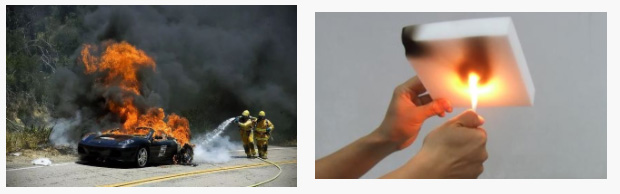
The flame retardancy of materials refers to the ability of materials or products to conduct flaming combustion under specified test conditions. It includes some characteristics related to whether it is easy to ignite and whether it can maintain combustion. After years of development, the flame retardancy test has formed a variety of standards and become a very important test item in the relevant industry.
Purpose of flame retardancy test:
Through the combustion test of the samples provided by the customer, the corresponding grade rating is made according to the combustion results, and the customer is assisted in the quality control of the products. Flame retardant grade is one of the most important safety properties, which is indispensable for many certification and mandatory inspection items required by many countries.
Application scope of flame retardancy test:
It is mainly used in plastic, foam plastic, film, textile, paint, rubber, automotive interior parts, electrical and electronic products.
Test standard:
1. GB/T 2408-2008 Determination of Burning Behavior of Plastics Horizontal Method and Vertical Method
2. GB/T 5169.16-2008 Fire Hazard Testing for Electric and Electronic Products Part 16: Test Flame 50W Horizontal and Vertical Flame Test Method
3. GB 4943.1-2011 Information Technology Equipment Security Part 1: General Requirements
Flame retardant test steps:
Sampling → pretreatment → startup to adjust fixture height, flame height, gas flow, etc. → test and record results → grade according to the standard.
Terms of vertical combustion:
afterflame: continuous flame of materials under specified conditions after removal of ignition source.
Afterflame time (t1 and t2): the duration of afterflame.
Afterglow: the continuous glow of the material under the specified test conditions after the ignition source is removed after the flame terminates or no flame is generated.
Afterglow time (t3): the duration of afterglow.
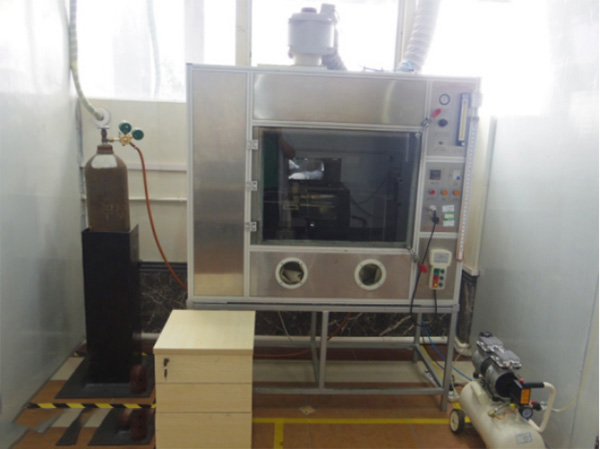
Photos of test instrument:
Main parameters:
1. Gas used: 99.99% pure methane
2. Power: 50W (20mm nozzle), 500W (125mm nozzle)
3. Flame height adjustment: it can be adjusted from 20mm to 125mm according to standard requirements
4. Internal volume ≥ 0.8 m3
5. Spray lamp angle: 20 °, 45 °, 90 °
6. Time setting: flame application time/afterglow time/afterglow time: 0 ~ 99 min99 s can be set, time accuracy ≤ 0.1s
Sample requirements: long × Width: 125 ± 5mm × 13.0 ± 0.5mm, and the maximum thickness shall not exceed 13mm.


 Current location:Home>Test Project>High temperature aging test
Back
Current location:Home>Test Project>High temperature aging test
Back